
Laser Marking Applications in Different Industries
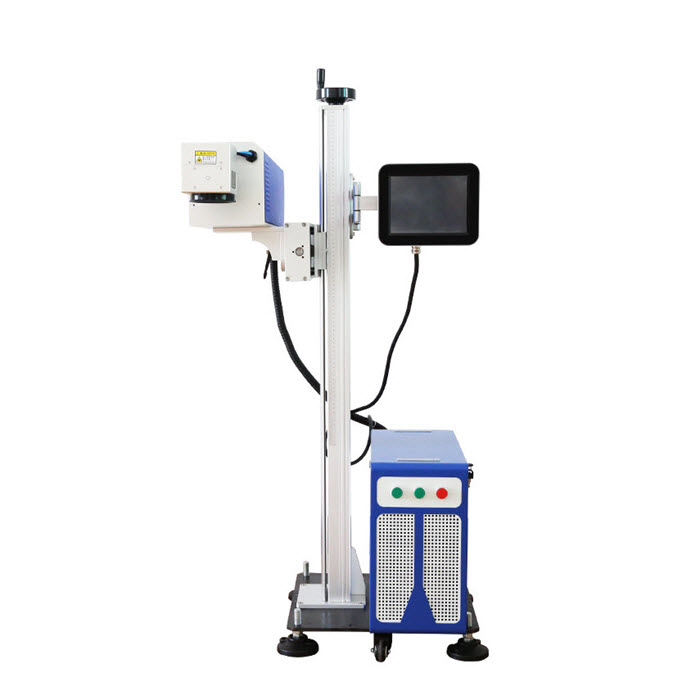
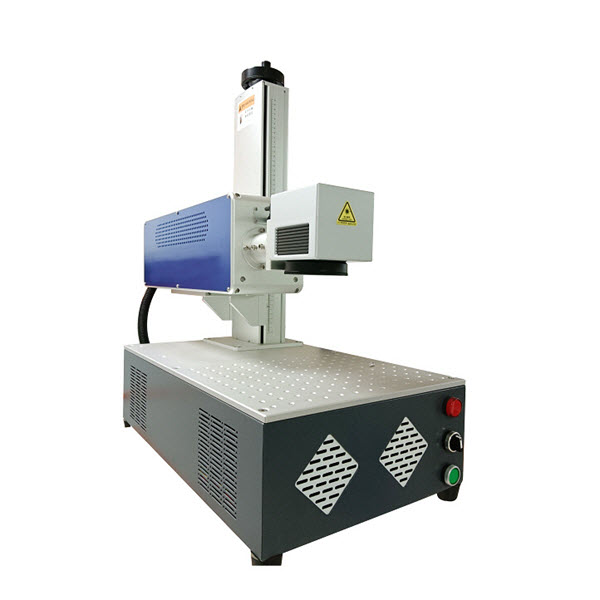
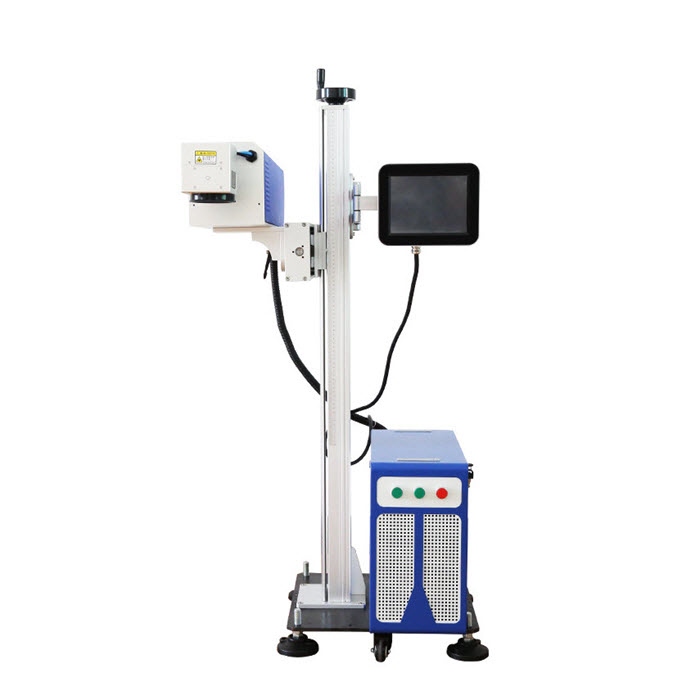
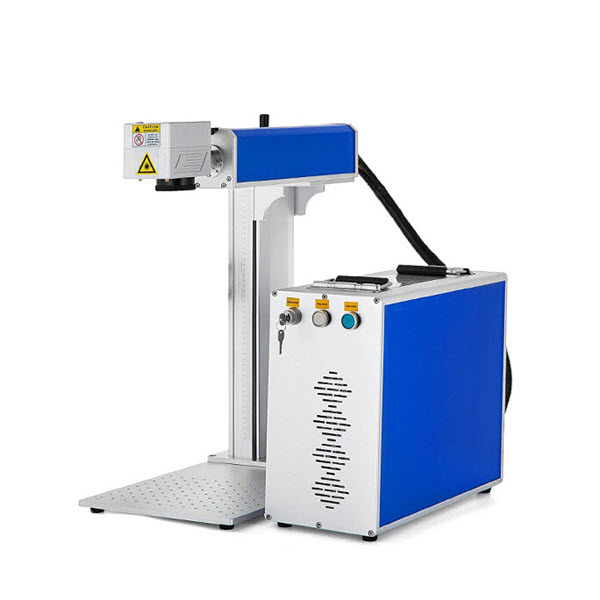
2026-03-16Laser marking, simply put, involves using a laser beam to create permanent marks on various material surfaces. Different lasers are used for different materials. The advantages of laser marking equipment include no consumables, no pollution during the production process, high processing efficiency and precision, and marks that are difficult to tamper with, facilitating product quality and market traceability and enhancing product competitiveness. With the development of technology, laser marking is expanding into more and more surface marking applications, with some applications replacing traditional mechanical marking processes.
Laser technology has a wide range of industrial applications, yet it often seems distant from our daily lives. However, we can actually see laser processing in many aspects of our daily lives. For example, the labels we see when buying goods, many accessories on clothing, the previously common CD/DVDs, laser printers used in the workplace, laser anti-counterfeiting labels, and barcode scanners used by salespeople at checkout, etc. Below, we have compiled a detailed overview of the specific application scenarios of laser marking technology in various industries.
I. Application of Laser Marking Technology in Sanitary Ware Products
Baby products mainly include materials such as ceramics, plastics, and metals. Laser marking can simultaneously meet the high-quality marking needs of these materials. Bathroom fixtures such as bathroom cabinets, faucets, showerheads, toilets, washbasins, flush valves, and bathtubs can all be marked using lasers. Especially in combating counterfeit brands and protecting the interests of businesses and consumers, laser marking machine provides strong support for establishing an effective product traceability system for bathroom products. Let's look at the unique advantages of laser marking when marking products:
● Permanence: Laser marking uses a high-energy-density laser to locally irradiate the workpiece, causing the bathroom material to vaporize or undergo a chemical reaction that changes color, thus leaving a permanent mark.
● Flexibility: Using software, various texts and graphics can be quickly drawn and generated, resulting in clear and aesthetically pleasing patterns.
● Safety and Environmental Protection: Laser marking does not produce toxic gases, reducing harm to the human body.
● Easy Operation: It can be operated after simple training, reducing the skill requirements for operators.
● Wide Range of Applicable Materials: Suitable for fine marking on various materials including plastics, cast iron, stainless steel, aluminum-magnesium alloys, zinc alloys, tortoise, galvanized steel, and alumina.

II. Applications of Laser Marking in the Food Industry
When consumers purchase puffed snacks, if the packaging is not well-sealed, the contents can easily spill out, leading to spoilage or mold. Conversely, if the packaging seal is too tight, consumers may find it difficult to tear along the perforated line. For such situations, laser marking machines can precisely cut half-deep easy-tear lines on potato chip bags, coffee bars, and small condiment packages, making it easy for consumers to open while ensuring airtightness during transport. This non-contact cutting method avoids wear and contamination from mechanical blades. Furthermore, laser marking can also create complex perforated designs on various food gift boxes (such as mooncake boxes, tea boxes, wine boxes, and fruit boxes), enhancing both the aesthetics of the packaging and the breathability of the product (fresh fruits and vegetables).
Laser marking machines can also be used to mark various information on beverage bottles and boxes, including brand logos, anti-counterfeiting codes, production dates, batch numbers, shelf lives, regulatory barcodes, and QR codes. Laser marking uses non-contact laser processing, overcoming the drawbacks of traditional methods. Laser-marked anti-counterfeiting codes have superior performance, effectively combating the influx of counterfeit and substandard food products into the market. Laser-marked barcodes are clear, aesthetically pleasing, permanent, heat-resistant, corrosion-resistant, and difficult to erase. Laser-marked QR codes have a high recognition rate, remaining clearly readable even after cooking, freezing, or transportation friction. This provides a foundation for establishing a full-chain food safety traceability system, allowing consumers to scan the code to check information such as origin, production batch, and inspection reports.
III. Widespread Applications of Laser Marking Technology in the Automotive Industry
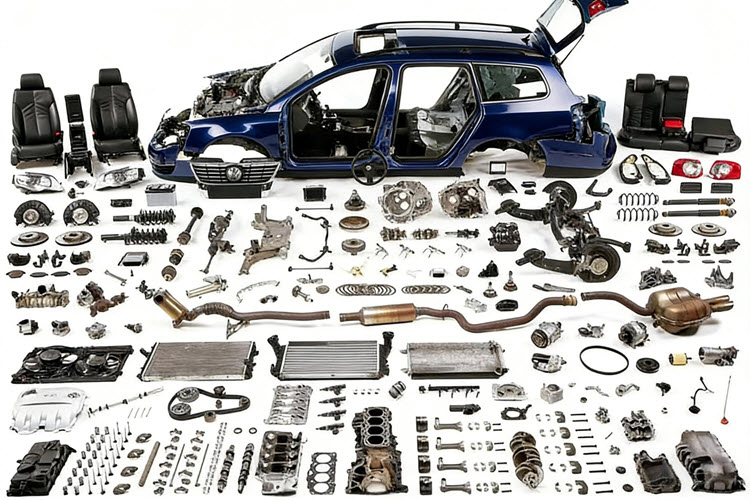
Laser marking machines are extremely widely used and indispensable in the automotive field, arguably a standard technology in modern automotive manufacturing. From engine blocks to tiny electronic components, from vehicle nameplates to interior buttons, laser marking permeates the entire lifecycle of automobile production. In the automotive parts processing industry, laser marking machines are mainly used for marking information such as QR codes, barcodes, production dates, serial numbers, logos, patterns, certification marks, and warning labels. This includes high-quality marking of various parts such as vehicle frames, wheel hubs, exhaust pipes, engine blocks, pistons, crankshafts, audio system buttons, labels, nameplates, and glass. Furthermore, interior accessories such as pendants and cushions can also be marked with laser marking machines, and various stylish and personalized designs are popular with car owners.
Compared to ordinary marking machines, chemical etching, screen printing, and other printing methods, laser marking machines offer high flexibility and can be controlled by a computer system. Through computer-aided design and layout, the laser marking system can perform precise and efficient marking on various automotive products based on customer-provided markings, with serial numbers automatically adjusted. Laser-processed markings, such as graphics, text, and serial numbers, offer high precision, excellent visual effects, clarity, and wear resistance.
IV. Application of Laser Marking Technology in the Watch Manufacturing Industry
Watches, though small in size, exude artistic charm. However, being worn on the wrist, they are frequently subject to wear, scratches, and abrasions, affecting their appearance. Therefore, the manufacturing process requires extremely high precision and dexterity.
Traditional techniques, due to the need for contact with the surface of the workpiece, can easily damage and press on the marking surface, resulting in imperfections and affecting the overall appearance of the watch. Furthermore, the relatively small processing space in a watch, coupled with the absolute inability to tolerate even minor errors, makes watch manufacturing akin to a craftsmanship on one's fingertips, requiring the meticulous and focused work of master craftsmen. Now, laser marking machines, employing computer software control systems, can precisely control a tiny laser beam to rapidly mark the watch surface.
V. Application of Laser Processing Technology in Remote Control Manufacturing
A remote control is a device used to remotely control machinery. Modern remote controls primarily consist of an integrated circuit board and buttons that generate different messages. With the emergence of laser marking technology, manufacturers have discovered that laser marking on remote control buttons produces clear, permanent marks that won't fade or peel off, and offers a superior tactile feel. Therefore, manufacturers have widely adopted laser marking machines for remote control button marking.
Laser technology, with its non-contact, high-precision, consumable-free, and environmentally friendly characteristics, perfectly solves key process requirements in remote control production, such as marking, cutting, paint removal, and micro-hole processing. Laser marking uses a non-contact laser beam. Due to the extremely small focused spot and minimal heat-affected zone, ultra-fine marking and marking on special materials are possible. Because of the extremely small heat-affected zone, there is no thermal effect or material burning, resulting in low power consumption and energy efficiency.
VI. Application of Laser Marking Technology in Smartphone Manufacturing
The application of laser marking technology in smartphone manufacturing is profound and crucial, spanning almost the entire lifecycle of a mobile phone, from component manufacturing to complete assembly and after-sales anti-counterfeiting. Laser marking is ubiquitous on mobile phones, appearing on logos, casings, batteries, and accessories. Even inside the phone, components like ICs, PCBs/FPCs, batteries, and camera modules are laser-marked.
The internal space of a mobile phone is extremely limited, containing hundreds of tiny components, each requiring a unique identifier for quality traceability. Laser-marked QR codes, serial numbers, production batches, phone models, and safety warnings are not only heat-resistant, chemically resistant, and highly permanent, but also provide consumers with a refined and aesthetically pleasing visual experience—something traditional processes cannot achieve.
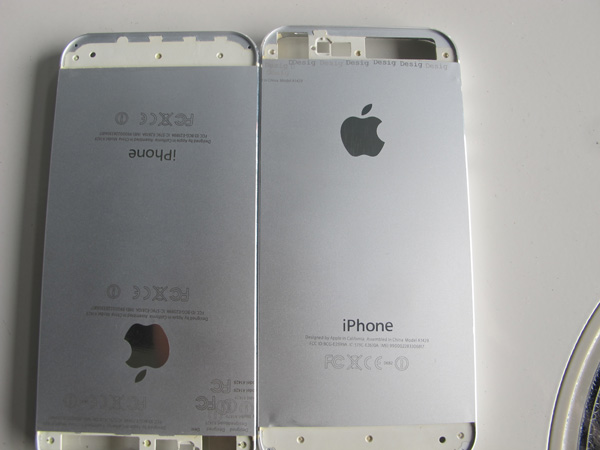
The continuous development of laser marking technology has led to its increasingly widespread application in various industries, including mobile phones, jewelry, hardware, knives and kitchenware, tool accessories, and automotive parts. Laser marking machines can be used to mark a wide variety of plastics, metals, ceramics, and glass products. From heavy machinery to precision wearables, laser marking machines are using light as a tool to penetrate the entire industry chain, enabling products to achieve precise marking, high-end textures, and environmental efficiency. If you would like to learn more about the applications of laser marking machines and their application cases, please visit our website or contact our engineers.