
Laser Part Marking
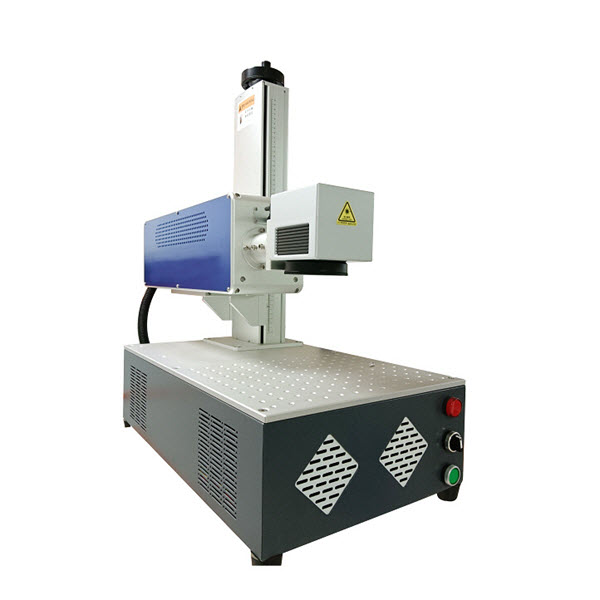
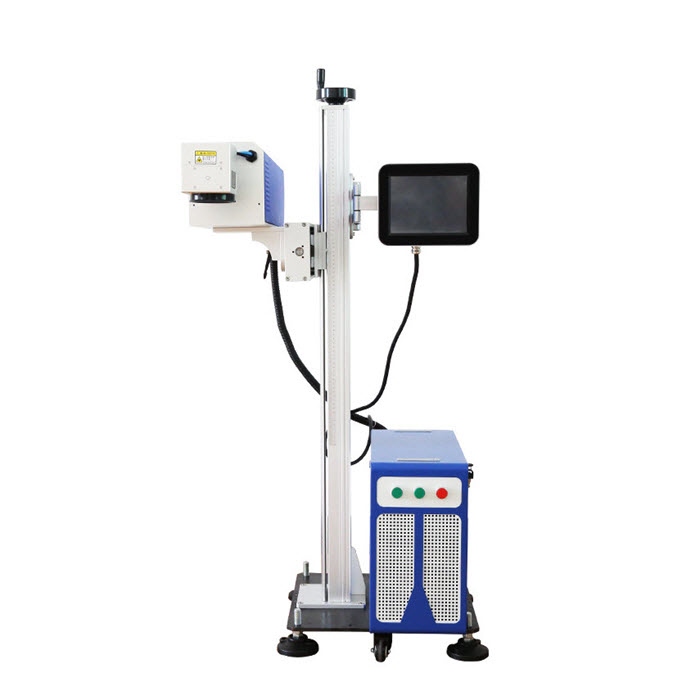
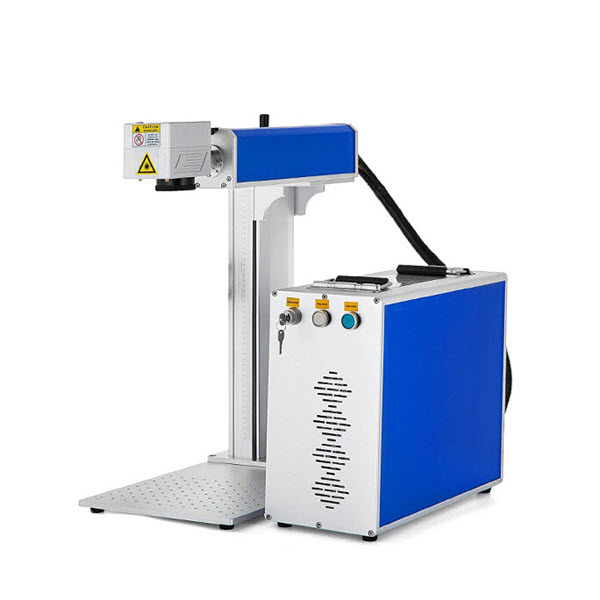
2025-12-11In highly automated manufacturing environments, part marking is not only a vehicle for brand promotion but also a crucial link in achieving full product lifecycle management, quality traceability, and anti-counterfeiting verification. Traditional marking methods, such as inkjet printing, mechanical engraving, or labeling, often suffer from problems such as easy wear, high pollution, and low precision. In contrast, laser marking technology, with its advantages of being non-contact, high precision, permanent, and environmentally friendly, has become the preferred solution for marking various industrial parts. This article will provide an in-depth analysis of material compatibility, laser selection, and industry applications for laser parts marking from multiple perspectives. If you are looking for a laser parts marking machine to mark plastic or metal parts, this article can provide you with valuable information.
I. Why Choose Laser Marking Machines for Marking Various Parts?
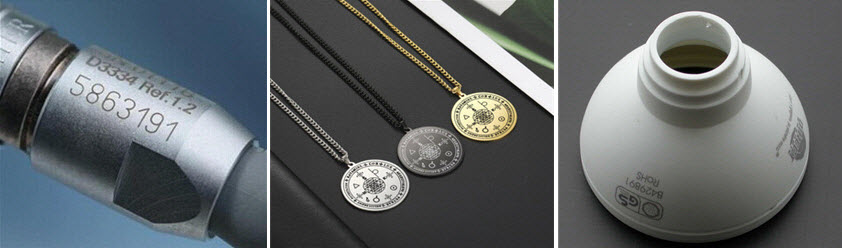
Laser marking is favored in various manufacturing fields and widely used for engraving plastic or metal parts because laser technology offers several core advantages for part marking:
✅ Permanence and High Durability
Laser marking creates permanent markings by altering the surface of the part material (such as oxidation, etching, or foaming). It is wear-resistant, high-temperature resistant, and corrosion-resistant, making it suitable for harsh environments (such as aerospace, automotive, and medical devices). The markings are not easily erased or tampered with. The marked content needs to withstand various environmental influences during the part's use, such as high and low temperatures, friction, corrosion, and exposure to sunlight and rain, to ensure its stability throughout its service life.
✅ High Precision and Clarity
The laser beam is precisely focused, achieving micron-level marking. It is suitable for marking various complex graphics such as QR codes, serial numbers, barcodes, and logos on various parts, maintaining high resolution and readability even on tiny parts. Regardless of the complexity of the content, laser marking ensures maximum clarity, readability, and resistance to blurring or fading.
✅ Non-contact Processing
Laser part marking eliminates the need for physical contact with the workpiece, effectively preventing damage or deformation caused by mechanical stress. This makes it particularly suitable for marking precision and fragile parts, significantly improving processing accuracy and quality.
✅ Wide Range of Applicable Materials
Lasers can be used to mark parts made of various materials, including metals (such as stainless steel, aluminum, and titanium), plastics, ceramics, and glass. We can adjust the laser type (such as fiber optic, CO₂, and UV) and parameters to mark parts of different materials for optimal results.
✅ Environmentally Friendly & Efficient
Part Laser marking eliminates the need for inks, solvents, or other consumables, resulting in no chemical pollution. This aligns with green manufacturing principles and international environmental regulations such as RoHS and REACH. Furthermore, the high degree of automation in laser marking systems allows for integration into various automated production lines, enhancing the efficiency and accuracy of part marking.
✅ Traceability & Compliance
Laser marking supports unique identifiers (such as UDI and VIN codes), facilitating product lifecycle tracking and meeting industry regulations (such as FDA, ISO, and automotive industry standards) regarding part traceability.
II. How to Choose the Right Laser Marking Machine for Plastic Parts?
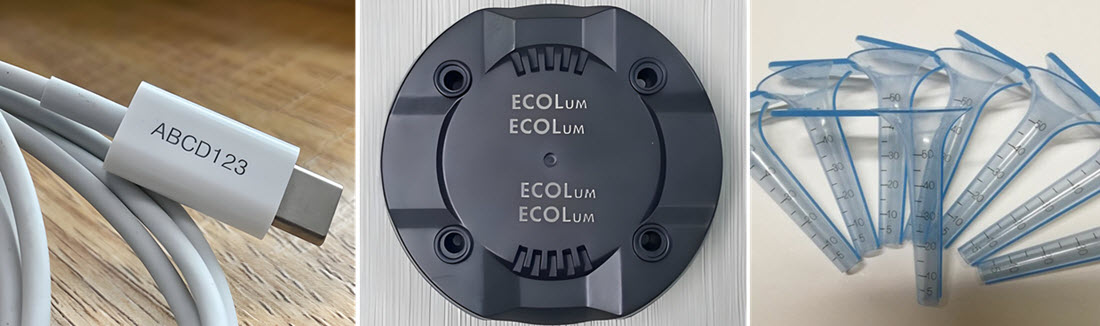
Laser marking is widely used on plastic parts due to its advantages such as non-contact, high precision, and permanent marking. It is particularly suitable for industries such as electronics, automotive, medical, and packaging that require marking of plastic parts (e.g., serial numbers, QR codes, logos, production dates). However, because plastics are diverse and complex in composition (often containing additives, fillers, flame retardants, etc.), their laser response characteristics vary significantly. Therefore, it is necessary to select the appropriate laser type and process parameters based on the specific material.
1. Selecting a Laser Marking Machine Based on the Characteristics of Plastic Parts
Plastics are diverse and complex in composition, and their laser response varies significantly. Therefore, when selecting a laser marking machine for plastic parts, factors such as material type, color, additives, surface treatment, and the final marking effect requirements must be comprehensively considered. The following are key selection criteria:
✅ Dark-colored engineering plastics containing sensitizers (e.g., black ABS, PA, POM, etc.): They absorb near-infrared light (1064 nm) well, so it is suitable for using fiber lasers to mark them, enabling high-contrast carbonization or foam marking.
✅ Transparent or light-colored heat-sensitive plastics (such as PC, PET, PP, PE, PMMA, etc.): Ordinary infrared lasers easily cause melting, yellowing, or lack of clear contrast. Ultraviolet lasers (355nm) are recommended, breaking molecular bonds through a "cold processing" method to achieve fine, heat-damage-free marking.
✅ General non-metallic plastics and coated parts: such as unfilled PVC, acrylic, leather composites, etc., CO₂ lasers (10.6 μm) can be used to form clear markings through surface etching or foaming.
✅ Medical-grade plastic parts (such as PVC, TPU): Extremely high cleanliness and contamination requirements exist. UV laser marking systems are ideal due to their lack of a heat-affected zone.
2. Key Considerations for Laser Marking of Plastic Parts
● Does the material contain laser sensitizers? Many industrial plastics have metal oxides or organic dyes pre-added to enhance laser absorption.
● Thermal sensitivity: Excessive energy may cause melting, deformation, or release of harmful gases (such as plastics containing halogenated flame retardants).
● Marking Clarity and Durability: A balance must be struck between contrast, speed, and long-term stability (e.g., resistance to alcohol wiping, resistance to high-temperature aging).
● Environmental Protection and Safety: The marking process may generate fumes or volatile substances; therefore, an extraction and filtration system is recommended.
To ensure successful laser marking on plastic parts, we strongly recommend providing actual samples for process verification. Our engineers will optimize laser selection and parameter settings based on material characteristics, color, structure, and operating environment to achieve clear, permanent, and compliant marking results while ensuring the integrity of the parts.
III. How to Choose the Right Laser Marking Machine for Metal Parts?
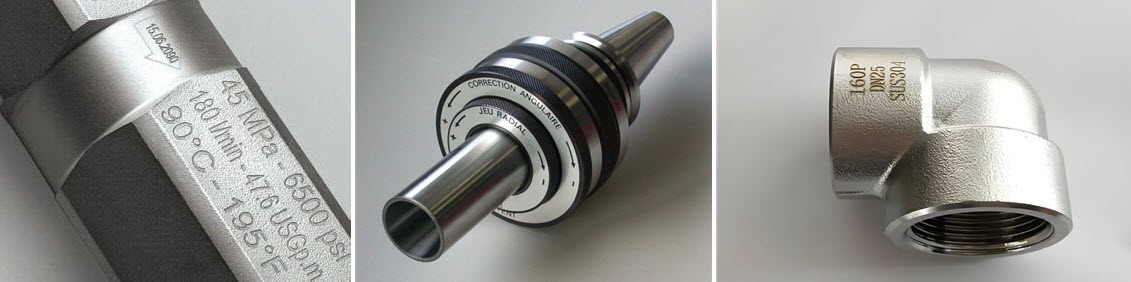
Laser marking is the mainstream technology for marking metal parts, widely used in industries such as automotive, aerospace, electronics, medical devices, mold and tool manufacturing, etc. Its advantages include permanence, high precision, non-contact operation, and the ability to be automated and integrated, while meeting the requirements for corrosion resistance, high temperature resistance, and traceability in harsh environments.
1. Choosing the Right Laser Marking Machine Based on the Material and Characteristics of the Metal Parts
✅ Stainless Steel Parts: Easily forms a deep black or colored oxide layer, with good corrosion resistance. 1064nm fiber lasers are recommended, especially MOPA fiber lasers with pulse width adjustment capabilities, which can achieve finer black or colored markings.
✅ Aluminum Alloy Parts: Anodized aluminum is very suitable for laser marking. The laser can remove the surface oxide film, exposing the underlying metal and forming a high-contrast white mark. For untreated, highly reflective aluminum, it is recommended to use a MOPA fiber laser to optimize energy control, or, for special needs, a green laser (532nm) to improve the material's absorption rate of the laser.
✅ Titanium alloy parts: Widely used in aerospace and implantable medical devices. Fiber lasers or MOPA fiber lasers are typically used to achieve stable and controllable color marking effects.
✅ Copper and brass parts: These are typical highly reflective metals and are not suitable for 1064nm wavelength fiber lasers. When marking these parts, shorter wavelength, higher material absorption rates, such as green lasers (532nm) or ultraviolet lasers (355 nm) should be prioritized for clear and safe marking.
✅ Carbon steel parts: Containing a high carbon content, these parts are prone to localized carbonization under laser thermal action, forming a strong, deep black mark with good wear resistance. They are suitable for industrial applications such as cutting tools, molds, and mechanical structural parts. These materials absorb fiber lasers well, and high-quality marking can be efficiently achieved using standard fiber laser markers.
✅ Plated metal parts (such as galvanized sheets, nickel-plated parts, chrome-plated parts, etc.): Laser marking can selectively remove the surface coating, exposing the underlying metal and creating a strong visual contrast. Depending on the coating type and substrate material, fiber lasers (suitable for metal coatings) or CO₂ lasers (more effective for certain organic coatings or composite coatings) can be flexibly selected.
For parts made of different metal materials, it is crucial to scientifically match the laser type and process parameters to ensure clear, strong laser marking results that meet application requirements. It is recommended that you provide actual part samples for prototyping verification before formal production to obtain the optimal solution.
2. Key Considerations for Laser Marking of Metal Parts
● High-reflectivity materials require careful handling: Metals such as copper, aluminum, and gold strongly reflect infrared lasers, which not only affects the marking effect but may also damage the laser. It is recommended to use green/ultraviolet lasers or pre-treat the surface (e.g., sandblasting, coating with a light-absorbing layer).
● Control the heat-affected zone (HAZ): Excessively high energy density may cause melting, spattering, or micro-cracks, especially for thin-walled or precision parts. Parameters should be optimized to avoid thermal damage.
● Surface condition is critical: Oil, oxide scale, fingerprints, or rough surfaces will significantly reduce marking consistency. Cleaning or polishing is recommended before marking.
● Meets industry compliance requirements: In fields such as automotive (VIN code), medical (UDI), and aerospace, markings must be long-lasting, wear-resistant, and comply with standards such as ISO/IEC 15459, FDA, and AS9100.
We welcome you to send actual metal part samples for free laser marking testing. Our application engineers will match the most suitable laser (standard fiber, MOPA, green laser, etc.) based on your material type, surface treatment method, marking content (such as serial number, QR code, logo), and usage environment, and finely adjust the parameters to ensure clear, permanent, compliant, and aesthetically pleasing marking results.
IV. Which Industries Benefit from Laser Marking for Parts Traceability?
Laser marking, due to its advantages such as permanence, high precision, non-contact operation, wear resistance, and automated integration, has become a core technology for achieving full lifecycle traceability of parts. The following industries widely adopt laser marking technology to meet the needs of quality control, compliance supervision, anti-counterfeiting traceability, and intelligent manufacturing:
✅ Automotive Manufacturing
In the automotive manufacturing sector, laser marking is widely used for identifying key parts such as engine blocks, transmission housings, airbag components, chassis (for VIN codes), and electronic control units (ECUs). These markings not only carry crucial information such as QR codes, serial numbers, production batches, and supplier codes, but also directly support the stringent requirements of the IATF 16949 quality management system for single-part-level traceability, providing a reliable data foundation for product recalls, quality analysis, and supply chain management. Thanks to the high-temperature resistance, oil resistance, and vibration resistance of laser marking technology, the permanent markings remain clearly legible even under harsh conditions such as engine compartments, ensuring the integrity and reliability of information throughout the entire lifecycle.
✅ Aerospace
In the aerospace field, laser marking is widely used for marking turbine blades, landing gear, fasteners, avionics modules, and various critical structural parts to meet the stringent lifecycle traceability requirements of aviation standards such as AS9100, FAA, and EASA. The marking content must be NADCAP certified to ensure highly reliable marking without introducing mechanical stress, microcracks, or material performance degradation. Fiber optic or ultraviolet laser technology, with its non-contact and high-precision characteristics, can form fine, permanent, and extreme-environment-resistant markings on the surfaces of difficult-to-machine materials such as titanium alloys and nickel-based superalloys. This ensures the structural integrity of parts and provides accurate and tamper-proof identification information for maintenance, replacement, and safety audits.
✅ Medical Devices
In the medical device industry, laser marking is widely used for critical products such as surgical instruments, implants (e.g., orthopedic joints, cardiac stents), diagnostic device housings, and disposable consumables to meet the mandatory requirements of global regulatory agencies for Unique Device Identification (UDI), including US FDA 21 CFR Part 801 and EU MDR regulations. Especially for implantable devices, lifelong traceability is essential. Their markings must be biocompatible, prevent particle shedding, and withstand rigorous treatments such as repeated high-temperature, high-pressure sterilization, ethylene oxide, or gamma ray disinfection. Laser technology, with its non-contact and consumable-free characteristics, can create high-contrast, pollution-free permanent markings without damaging the substrate through annealing (for metals like stainless steel) or ultraviolet "cold marking" (for polymer materials), fully complying with cleanroom production environments and medical safety standards.
✅ Electronics and Semiconductors
In the electronics and semiconductor industry, laser marking is widely used on precision components and parts such as PCBs, chip packages, connectors, batteries, sensors, and micromotors to meet the stringent requirements of SMT production lines for automatic code reading, yield tracking, and supply chain anti-counterfeiting. The marking content typically includes key information such as Data Matrix QR codes, batch numbers, and production date codes, enabling end-to-end traceability and effectively preventing counterfeit components from entering high-end manufacturing processes. Thanks to the "cold processing" characteristics of ultraviolet (UV) or green lasers, high-resolution, high-contrast fine markings can be achieved in tiny areas smaller than 0.5 mm², while avoiding thermal damage or electrostatic interference. This ensures that sensitive circuits and functional structures remain unaffected, perfectly meeting the precision, reliability, and automation compatibility requirements of electronic manufacturing.
✅ Industrial Machinery and Tools
In the field of industrial machinery and tools, laser marking is widely used in critical parts such as cutting tools, molds, bearings, hydraulic valves, and pump bodies to support full lifecycle management of tools—including lifespan tracking, scheduled maintenance reminders, and asset digitization in smart factories. By permanently marking parts with serial numbers, model numbers, production information, or QR codes, companies can effectively prevent the counterfeiting of high-end tools and achieve efficient inventory management and predictive maintenance. Thanks to the high wear resistance and corrosion resistance of laser engraving marking, the markings remain clearly readable even under harsh conditions such as oil contamination, high temperature, high humidity, or frequent friction, ensuring long-term reliable traceability and equipment management efficiency.
This video highlights how a NITRATEK customer effectively used a desktop fiber laser marking machine to engrave Chinese and English texts on the aluminum alloy switch panels. They selected the NITRATEK desktop fiber laser marking system, known for its high-speed scanning and ability to produce clear content with crisp lines, excellent contrast, and smooth, clean edges. If you're interested in learning more about laser marking technology or our product offerings, don't hesitate to get in touch with us!
✅ Energy and Power
In the energy and power industry, laser marking is widely used for critical components or parts such as nuclear power plant parts, wind turbine gearboxes, photovoltaic junction boxes, and high-voltage switches to meet stringent requirements for traceability over decades or even the entire lifecycle. These applications typically require compliance with specialized industry standards such as ISO 19443 (Nuclear Industry Quality Management System), and the markings must be radiation-resistant, corrosion-resistant, resistant to extreme temperature differences, and capable of long-term outdoor weathering. Laser technology can form stable, non-flaking oxide layers or dark annealed markings on the surfaces of special materials such as stainless steel, nickel-based alloys, and titanium alloys. This not only does not damage the structural integrity of the material but also maintains clear legibility under long-term exposure to high radiation, high humidity, salt spray, or ultraviolet light, providing a solid guarantee for the safe operation and maintenance, compliance auditing, and asset tracking of energy facilities.
✅ High-Value Products
In the high-value consumer goods and packaging sector, laser marking machines are widely used for marking parts of high-end watches, jewelry, power tools, and core components of home appliances to strengthen brand protection, combat counterfeiting, and enhance consumer trust. By marking products or key components with invisible codes, miniature Data Matrix codes, color logos, or customized serial numbers, businesses can not only achieve precise after-sales service and warranty verification, but also support consumers in quickly verifying authenticity via mobile phone scanning. Laser technology, with its high precision and material adaptability, can create machine-readable security markings that are imperceptible to the naked eye on various parts and even coating surfaces. This provides a multi-layered, highly reliable anti-counterfeiting solution without compromising product aesthetics, effectively protecting brand reputation and user rights.
With the development of manufacturing technology, laser marking machines for parts have evolved from simple engraving tools into core data carriers in intelligent manufacturing systems. They not only meet the multiple demands of industry for precision, efficiency, and environmental protection, but also, through integration with the Internet of Things and big data platforms, give products or important parts digital identities, driving the manufacturing industry towards high quality, traceability, and intelligence. As the performance and cost of laser marking machines continues to be optimized, they will demonstrate even greater potential and advantages in marking parts in more niche areas. If you are looking for an excellent part laser marking machine to mark metal or plastic parts, please send us your part samples. Our engineers will perform marking verification for you free of charge to obtain the optimal marking solution.